

How to Avoid Shutdown During Dishroom Remodels
Mobile Dishwashing Trailer Facility Rental USA
Article Plans
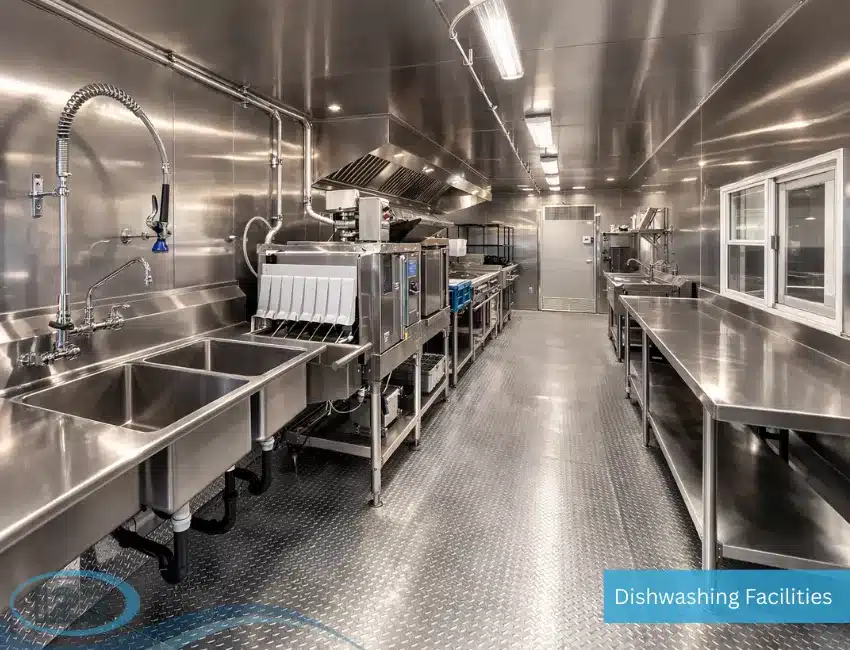
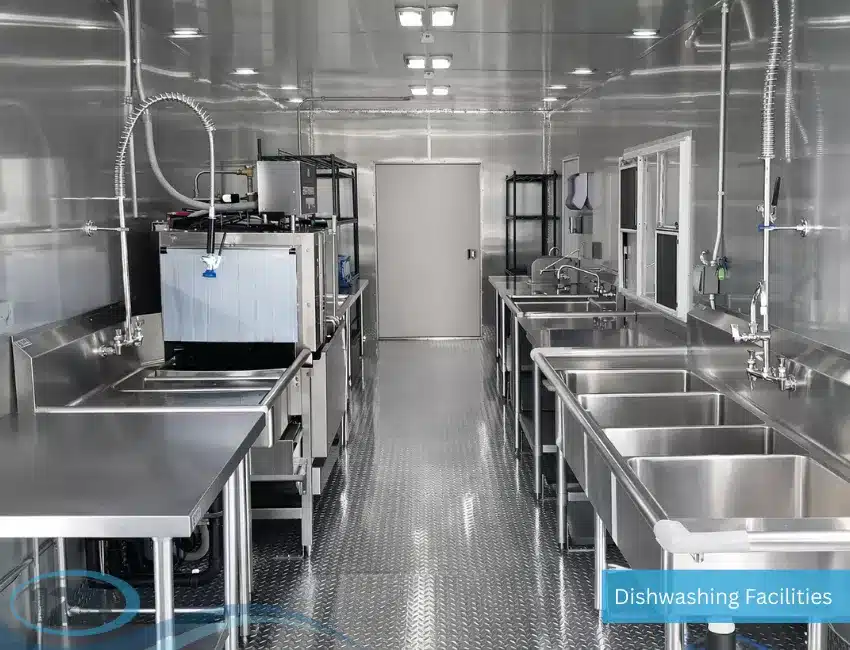
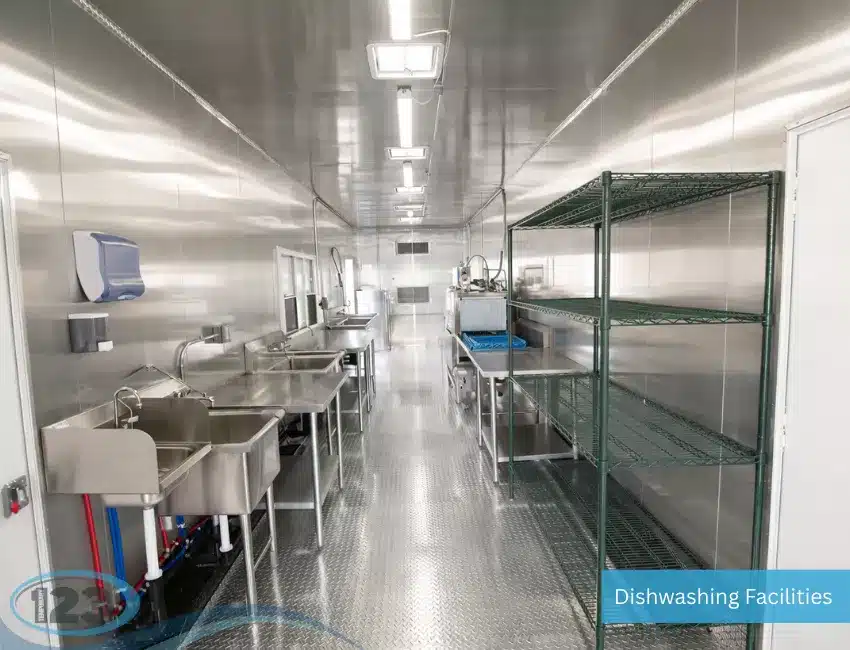
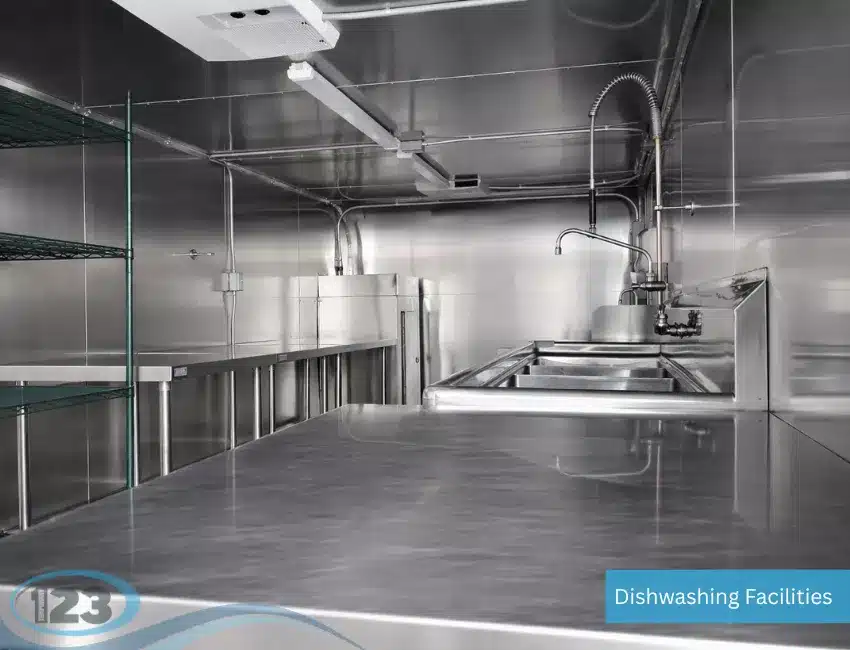
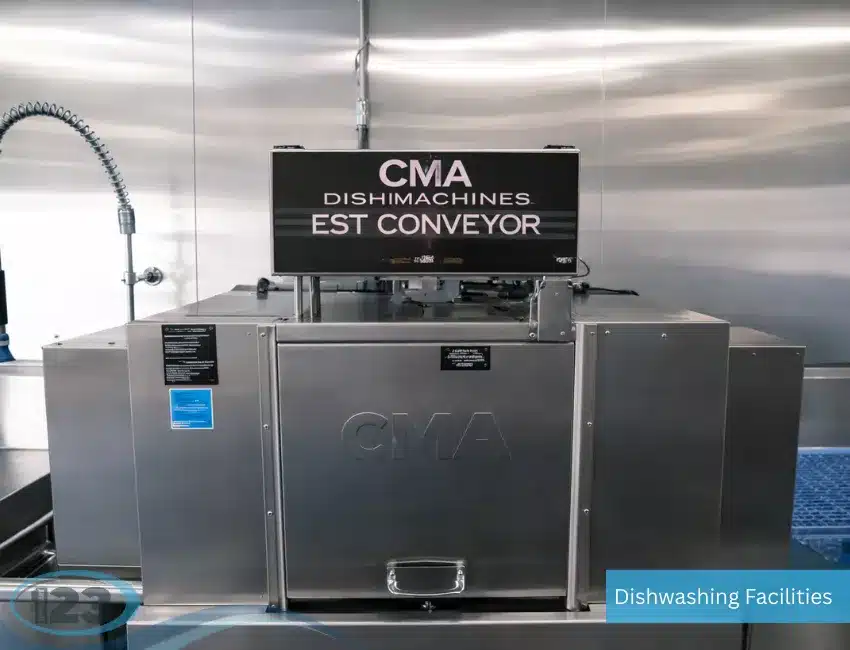
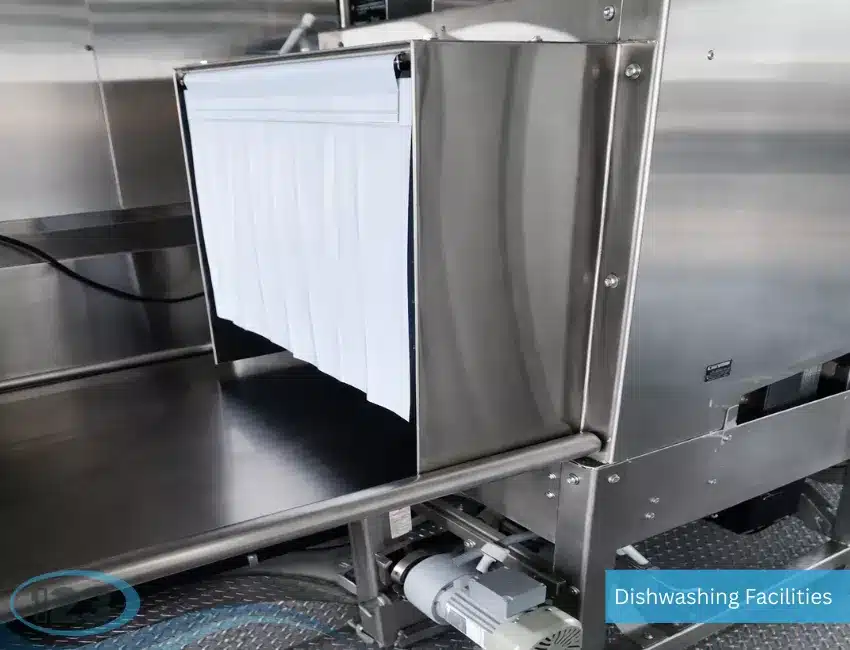
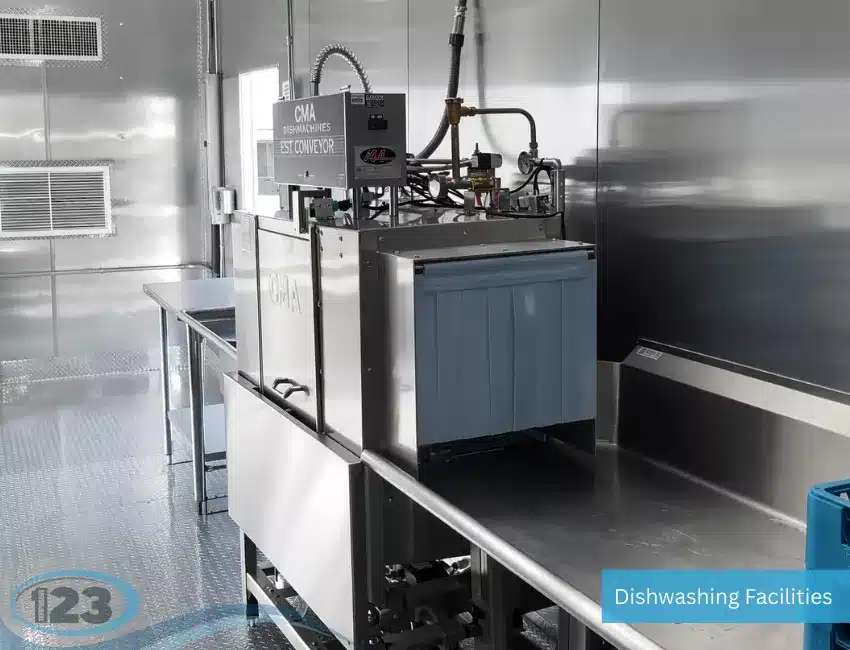
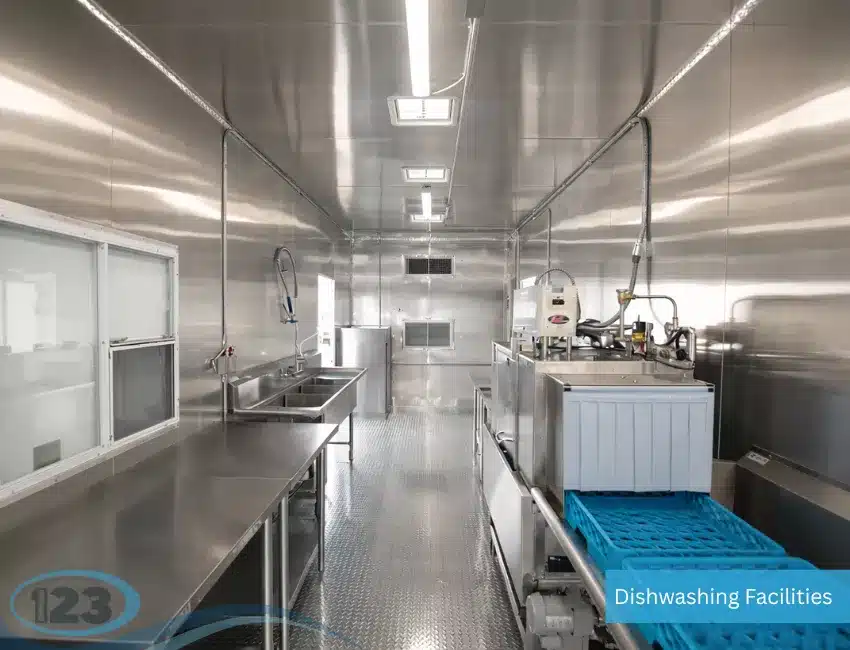
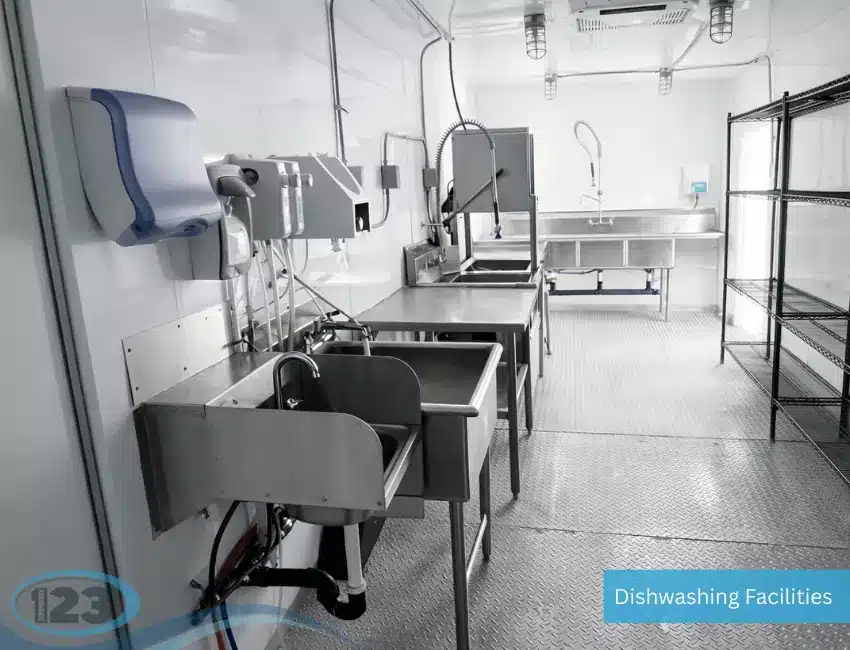
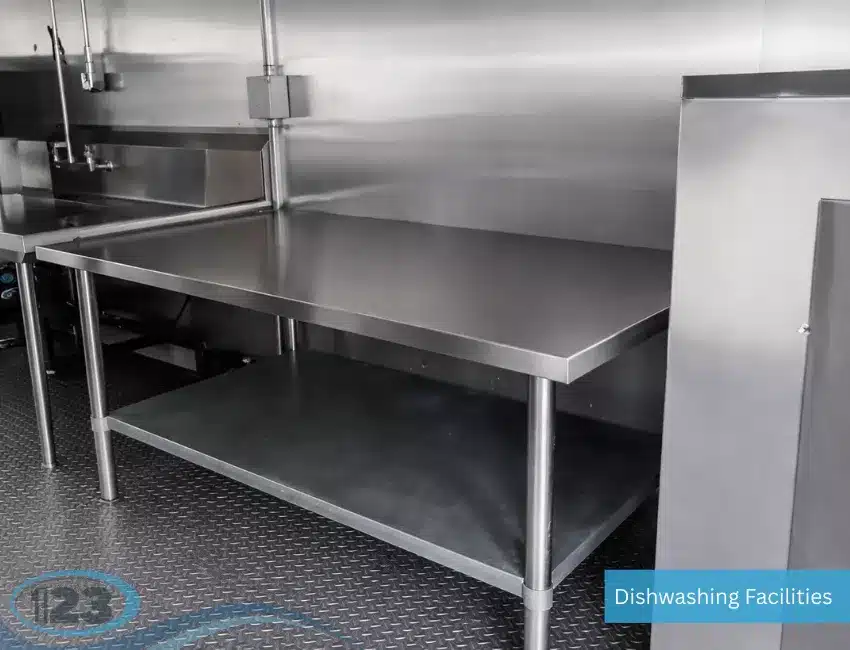
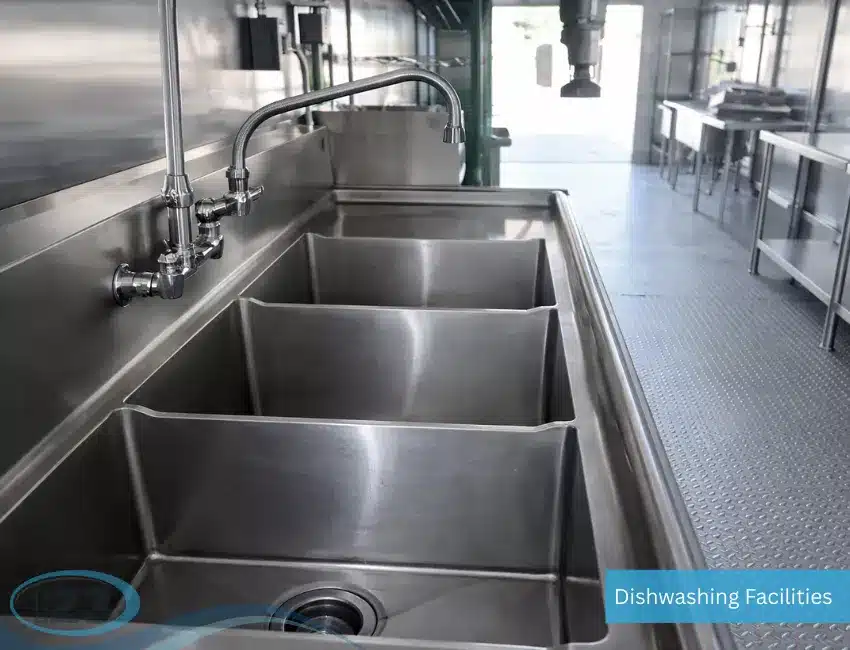
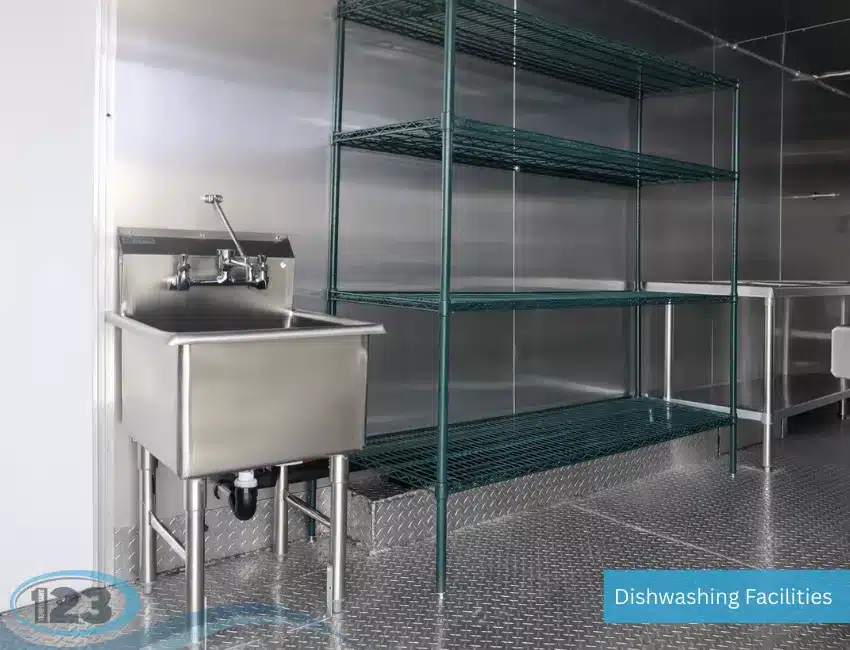
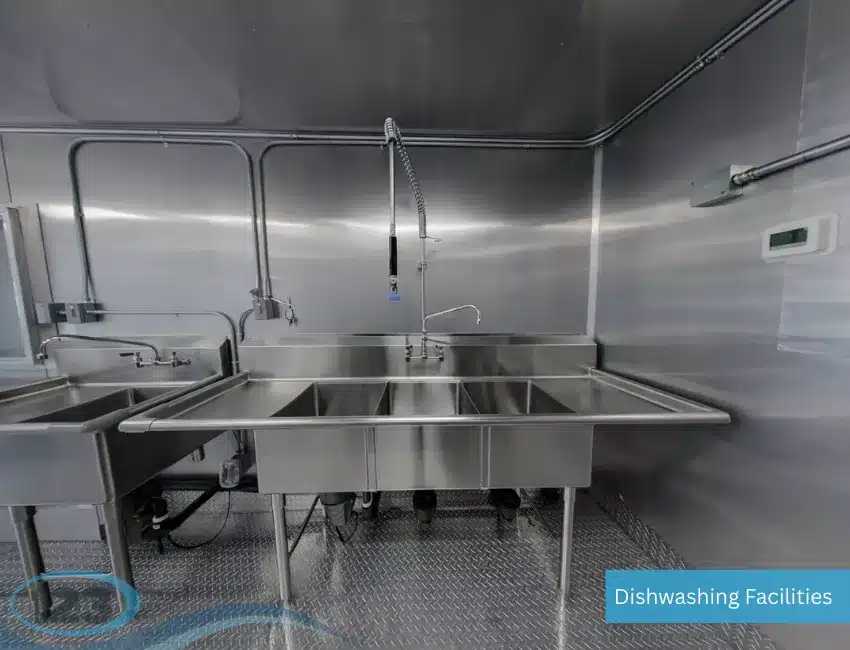
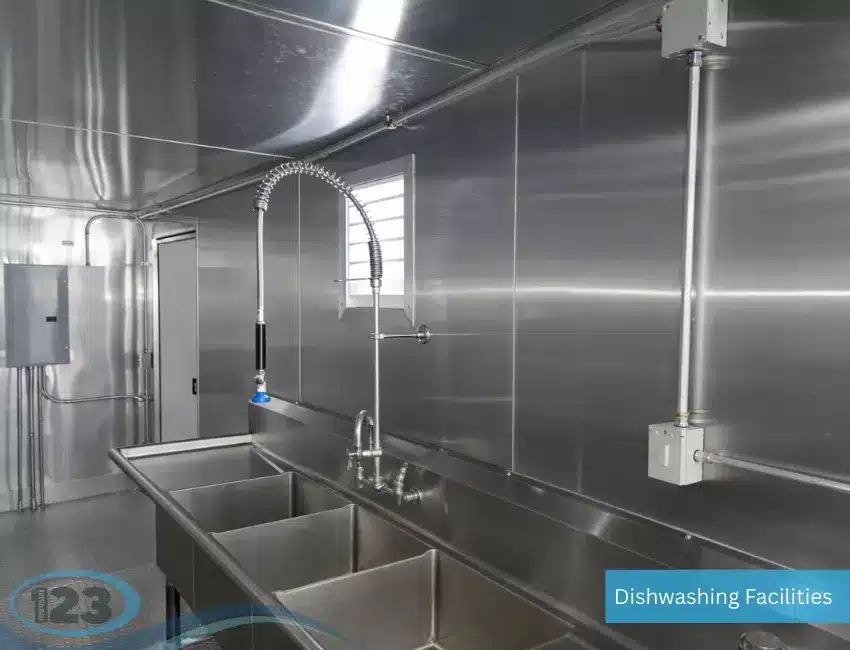
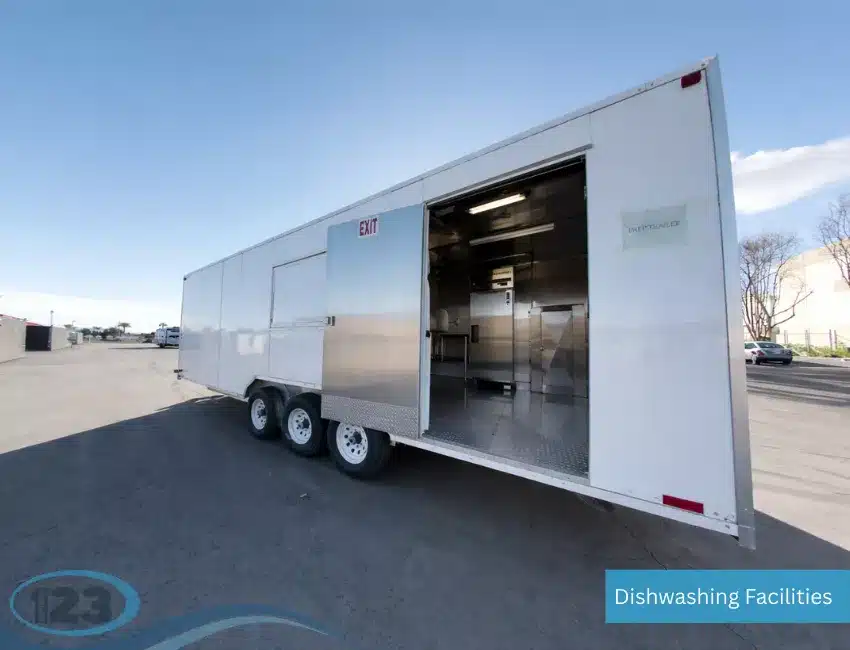
You can avoid shutting down food service during a dishroom remodel by moving warewashing into a temporary commercial dishwashing trailer before the permanent dishroom goes offline. Mobile Dishwashing Trailer Facility Rental USA offers source-documented systems ranging from 1,200 to 3,000 dishes per hour, allowing temporary warewashing capacity to be matched to the facility’s existing workload.
The key is timing. A temporary 22–38 ft dishwashing facility should be positioned, connected, tested, and incorporated into your workflow before contractors disconnect or demolish the permanent dishroom. That creates an operational bridge between the old room and the remodeled one.
Quick Answer: Avoid a dishroom-remodel shutdown by installing and testing temporary warewashing before the existing dishroom is taken offline. Mobile Dishwashing Trailer Facility Rental USA offers 22–26 ft units handling 1,200–1,500 dishes/hour, a 30 ft conveyor handling 2,000, and a 38 ft conveyor handling 2,500–3,000 dishes/hour.
Quick Facts
- 22–26 ft low-temp trailers process approximately 1,200–1,500 dishes per hour.
- A 30 ft conveyor trailer processes approximately 2,000 dishes per hour.
- A 38 ft conveyor trailer processes approximately 2,500–3,000 dishes per hour.
- Low-temp dishwashing uses approximately 35 gallons of water per operating hour in the source water guide.
- High-temp conveyor warewashing uses approximately 75 gallons per operating hour.
- The underlying temporary-facility operation has served projects since 1998 and documents 24/7 emergency support.
Key Takeaways
- Install temporary warewashing before the permanent dishroom is disconnected rather than reacting after service stops.
- Size the temporary trailer around peak production from 1,200 to 3,000 dishes per hour.
- Confirm 220V power, potable water, wastewater handling, and site placement before the remodel transition.
- A 30 ft conveyor trailer needs a documented minimum 30 ft × 20 ft site footprint.
- Temporary water support can include 2,500- or 5,000-gallon tanks when existing building utilities are affected by construction.
How Does Mobile Dishwashing Trailer Facility Rental USA Prevent a Remodel Shutdown?
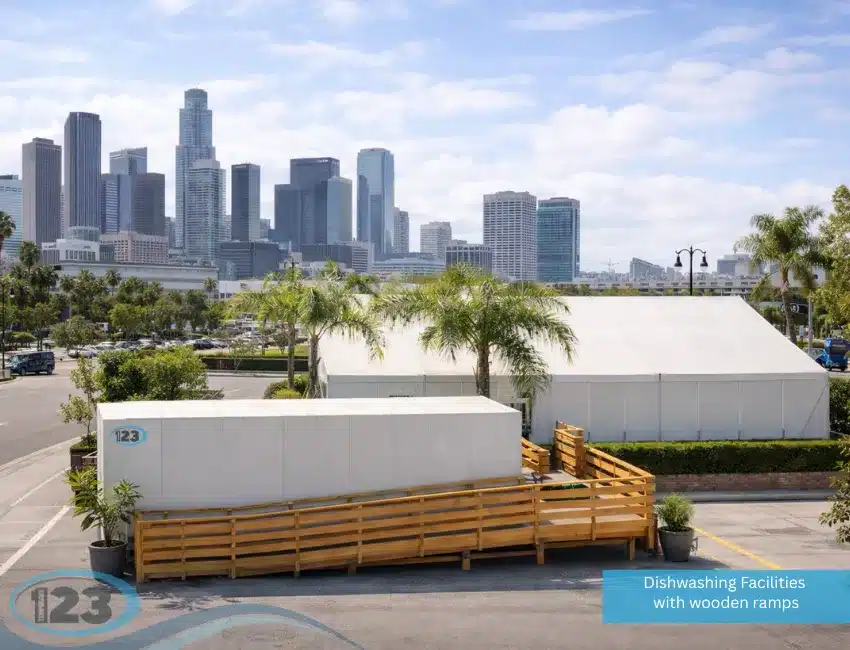
Mobile Dishwashing Trailer Facility Rental USA creates a temporary warewashing operation outside the construction zone so your permanent dishroom can be taken offline while food service continues. The source materials specifically identify renovation, construction, and equipment-replacement projects as applications for temporary commercial warewashing.
The replacement capacity can be scaled across 3 main equipment bands. Smaller low-temp trailers handle 1,200–1,500 dishes per hour, the 30 ft conveyor handles about 2,000, and the largest current conveyor configuration reaches approximately 2,500–3,000 dishes per hour.
Why Should the Temporary Dishroom Be Installed First?
The safest operational sequence is to establish the temporary facility before removing the existing one from service. A 2,000-dish-per-hour conveyor trailer does not preserve continuity simply because it has been rented; it has to be positioned, supplied with utilities, and integrated into the actual dirty-to-clean ware flow.
In our experience, this transition deserves more attention than the trailer itself. We would rather see you spend 1 transition phase proving the temporary workflow than discover after demolition begins that carts cannot reach the trailer or the available electrical service does not match the selected equipment.
How Much Temporary Warewashing Capacity Do You Need?
Size temporary warewashing around the busiest 1-hour dish-return period rather than average daily volume. Mobile Dishwashing Trailer Facility Rental USA’s current source data gives 3 useful production levels.
| Temporary dish trailer | Production capacity | Rental range |
|---|---|---|
| 22–26 ft low-temp | 1,200–1,500 dishes/hour | $4,995–$6,995 |
| 30 ft conveyor | 2,000 dishes/hour | $6,995–$8,995 |
| 38 ft conveyor | 2,500–3,000 dishes/hour | $7,995–$10,995 |
If your remodeling facility normally sends about 2,000 reusable wares through the dishroom during a peak hour, choosing the 1,200–1,500-dish-per-hour category risks creating a queue. Conversely, a 3,000-dish-per-hour conveyor can add physical and utility requirements that a lower-volume operation may not need.
Does Plated Service Change the Remodel Plan?
Yes. The source training material specifically identifies plated service as a reason to pair food-production facilities with a dedicated dishwashing trailer because reusable plates, trays, cups, utensils, and food-preparation wares all return to the wash area.
That matters during a remodel because replacing 1 physical dishroom means replacing its workflow, not simply its dishwasher. Dirty wares have to leave the active dining or kitchen area, reach temporary washing, move through the cleaning process, and return clean without crossing improperly through the construction operation.
Where Should the Temporary Dishwashing Trailer Go?
Place the temporary trailer where staff can move wares efficiently without interfering with the construction zone. A documented 22 ft low-temp unit needs at least a 22 ft × 15 ft footprint, while the 30 ft conveyor configuration needs at least 30 ft × 20 ft.
Trailer weight also matters when choosing the location. Current source specifications range from approximately 7,000 lbs for the 22 ft unit to as much as 21,000 lbs for the 38 ft conveyor, so the selected placement area has to support the actual equipment being delivered.
What Utilities Must Be Ready Before the Remodel Starts?
Temporary warewashing depends on 3 core utility areas: electrical power, potable water, and wastewater handling. The general dishwashing source specifies 220V single-phase, 150-amp electrical service, although the exact current trailer should always be matched to its equipment documentation.
Water planning is equally important. The source water guide estimates approximately 35 gallons per operating hour for low-temperature dishwashing and about 75 gallons per operating hour for high-temperature conveyor washing.
What Happens If the Remodel Disconnects Building Water?
A dishroom renovation that interrupts existing plumbing can use temporary water infrastructure. The source inventory includes 2,500-gallon potable-water tanks and 5,000-gallon upright tanks, along with pumps, hoses, and water-delivery support.
Planning-level water-delivery pricing is listed at $0.10–$0.25 per gallon where local water is unavailable. That cost makes it worthwhile to identify which existing water connections remain usable throughout each remodel phase before deciding how much temporary storage and delivery support to add.
Where Does Temporary Dishwashing Wastewater Go?
Temporary wastewater handling can use existing approved site infrastructure or a temporary collection arrangement. The supporting rental inventory includes 2,500-gallon and 5,000-gallon wastewater bladder bags, pumps, flexible hoses, and wastewater-removal services.
The source planning figures list wastewater removal at approximately $200–$400 per service. A remodel schedule should therefore preserve an approved discharge route where possible or incorporate temporary storage and removal into the project plan before warewashing starts.
Can a Hospital or Institution Keep Serving Meals During a Dishroom Remodel?
The uploaded source materials specifically identify hospitals, nursing homes, universities, military operations, and correctional facilities among the institutional environments that use temporary warewashing. For a facility requiring 2,500–3,000 dishes per hour, a large conveyor configuration can provide substantially more production than a smaller low-temp trailer.
For these projects, our preference is to protect continuity instead of planning around a complete food-service shutdown. If the permanent dishroom is expected to be unavailable during 1 renovation phase, temporary warewashing can isolate that construction work from the ongoing food-production and sanitation operation.
By the Numbers
| Remodel continuity item | Source-backed figure |
| Low-temp capacity | 1,200–1,500 dishes/hour |
| Mid-size conveyor capacity | 2,000 dishes/hour |
| Large conveyor capacity | 2,500–3,000 dishes/hour |
| Low-temp water usage | Approx. 35 gallons/hour |
| Conveyor water usage | Approx. 75 gallons/hour |
These 5 figures are a useful starting point for remodel planning. Capacity tells you which trailer class to consider, while the 35- versus 75-gallon-per-hour water figures show why utility planning needs to happen alongside equipment selection.
How Do You Transition From a Permanent Dishroom to a Trailer?
A practical remodel-continuity plan can be organized into 7 steps.
- Measure peak warewashing demand. Determine whether the busiest 1-hour return period fits the 1,200–1,500, 2,000, or 2,500–3,000 dishes-per-hour category.
- Select the temporary trailer. Choose the appropriate 22–26 ft, 30 ft, or 38 ft configuration.
- Prepare the placement area. Allow at least 22 ft × 15 ft for the documented 22 ft model or 30 ft × 20 ft for the 30 ft conveyor.
- Prepare utilities. Verify 220V electrical service plus potable-water and wastewater connections.
- Add temporary water/waste support if required. Available storage options include 2,500- and 5,000-gallon systems.
- Establish the temporary ware flow. Move dirty and clean wares through a planned 1-way operational process around the remodel zone.
- Switch before demolition. Put the temporary system into operation before the permanent 1 dishroom is removed from service.
What Common Mistakes Cause Shutdowns During Dishroom Remodels?
Mistake 1 is ordering temporary warewashing after demolition begins. Even a 3,000-dish-per-hour trailer still needs placement, utility connections, and an operating workflow before it can replace the permanent dishroom.
Mistake 2 is matching capacity to average volume instead of peak volume. A 1,500-dish-per-hour system can fall behind if 2,000 reusable items return during a concentrated meal-service window.
Mistake 3 is forgetting the construction impact on utilities. A remodel may change access to the same 220V power, water, or wastewater infrastructure that the temporary trailer was expected to use.
Mistake 4 is overlooking wastewater. A temporary project that needs a 5,000-gallon potable-water strategy also needs a clear plan for where the resulting dishwashing wastewater will be routed or stored.
Mistake 5 is choosing equipment before measuring the site. A 13,000-lb 30 ft conveyor needs a documented minimum 30 ft × 20 ft footprint, so the proposed temporary location should be reviewed before dispatch.
Dishroom Remodel Continuity Checklist
- ☐ Measure your busiest 1-hour dish-return period.
- ☐ Match capacity to 1,200–1,500, 2,000, or 2,500–3,000 dishes/hour.
- ☐ Select the correct 22–38 ft temporary dishwashing trailer.
- ☐ Verify the placement area before the permanent dishroom closes.
- ☐ Confirm 220V electrical service for the selected configuration.
- ☐ Plan for approximately 35 or 75 gallons/hour of source-documented water usage by dishwasher category.
- ☐ Arrange 2,500- or 5,000-gallon temporary water/waste storage if permanent utilities are interrupted.
- ☐ Establish dirty-ware and clean-ware movement around the construction zone.
- ☐ Test the temporary operation before disconnecting the permanent 1 dishroom.
- ☐ Call 888-964-3091 to review the remodel schedule with Mobile Dishwashing Trailer Facility Rental USA.
Request a Quote
Request a quote today for reliable mobile dishwashing trailer rentals tailored to your operation. Our fully equipped facilities support restaurants, hospitals, schools, events, renovations, and emergency response needs. Benefit from fast deployment, flexible rental terms, and professional support. Contact our team now for a customized, no-obligation quote.

Frequently Asked Questions
Yes. Mobile Dishwashing Trailer Facility Rental USA provides temporary warewashing equipment with documented capacities from 1,200 to 3,000 dishes per hour. The trailer can create a temporary dishwashing operation while the permanent room is unavailable, provided placement, utilities, water, wastewater, and the operating workflow are prepared before the remodel shutdown.
Choose by your busiest 1-hour warewashing demand. Mobile Dishwashing Trailer Facility Rental USA source data lists 22–26 ft low-temp units at 1,200–1,500 dishes per hour, a 30 ft conveyor at approximately 2,000, and a 38 ft conveyor at approximately 2,500–3,000 dishes per hour.
Temporary support can include 2,500- and 5,000-gallon water and wastewater systems. Mobile Dishwashing Trailer Facility Rental USA source inventory also includes pumps, flexible hoses, water delivery, wastewater collection, and pump-out services, allowing the utility plan to account for construction that temporarily interrupts permanent building connections.